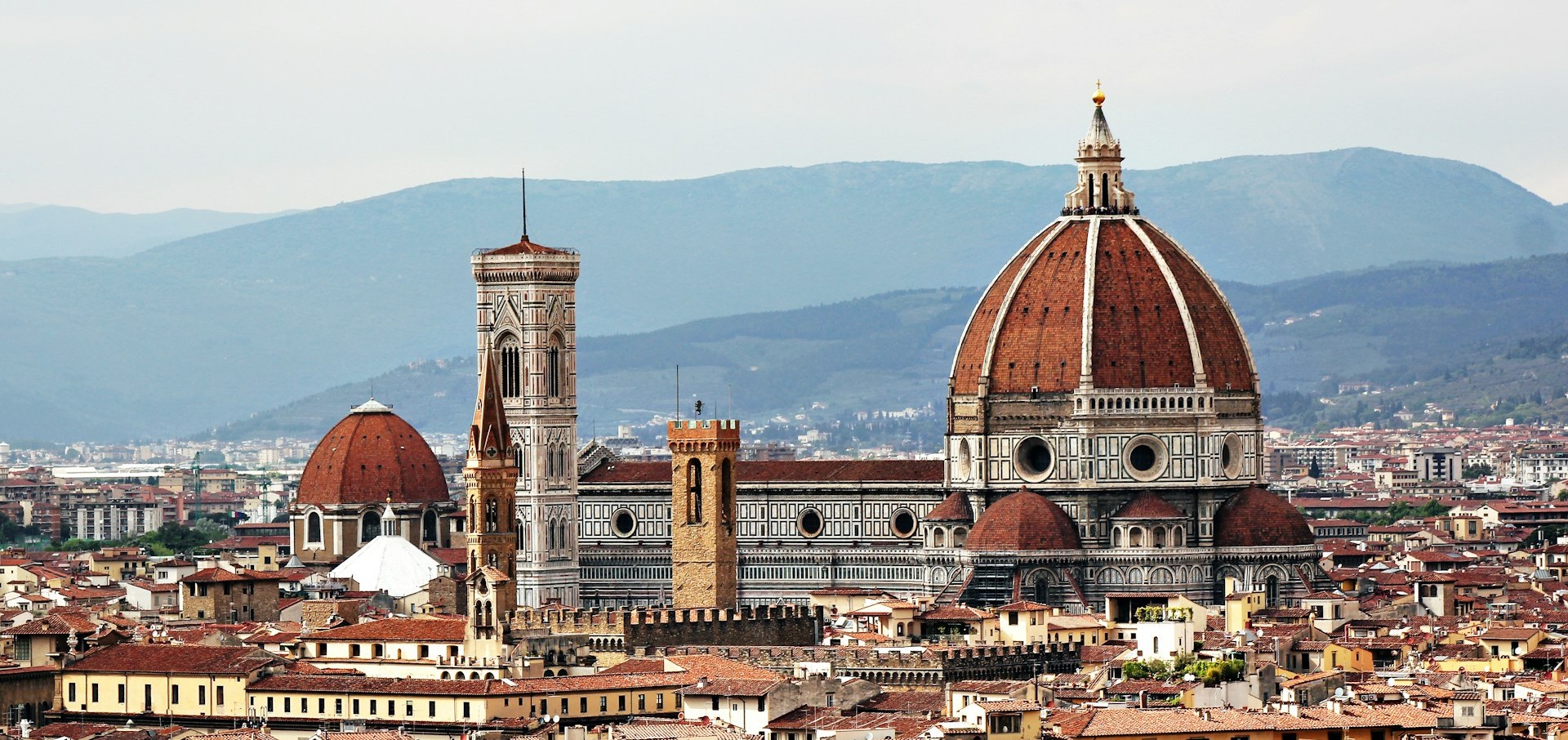
Long before Florence became the cradle of the Renaissance, the hills of Tuscany belonged to the Etruscans, one of the most sophisticated civilizations of the ancient Mediterranean. Beginning in the 8th century BCE, they built thriving city-states across the region, including nearby Fiesole, whose commanding hilltop position overlooked the fertile Arno Valley. Skilled metalworkers, engineers, merchants, and priests, the Etruscans developed a rich culture that would profoundly influence the rising power of Rome. Yet despite their achievements, their cities remained politically fragmented, leaving them vulnerable to the relentless expansion of the Roman Republic.
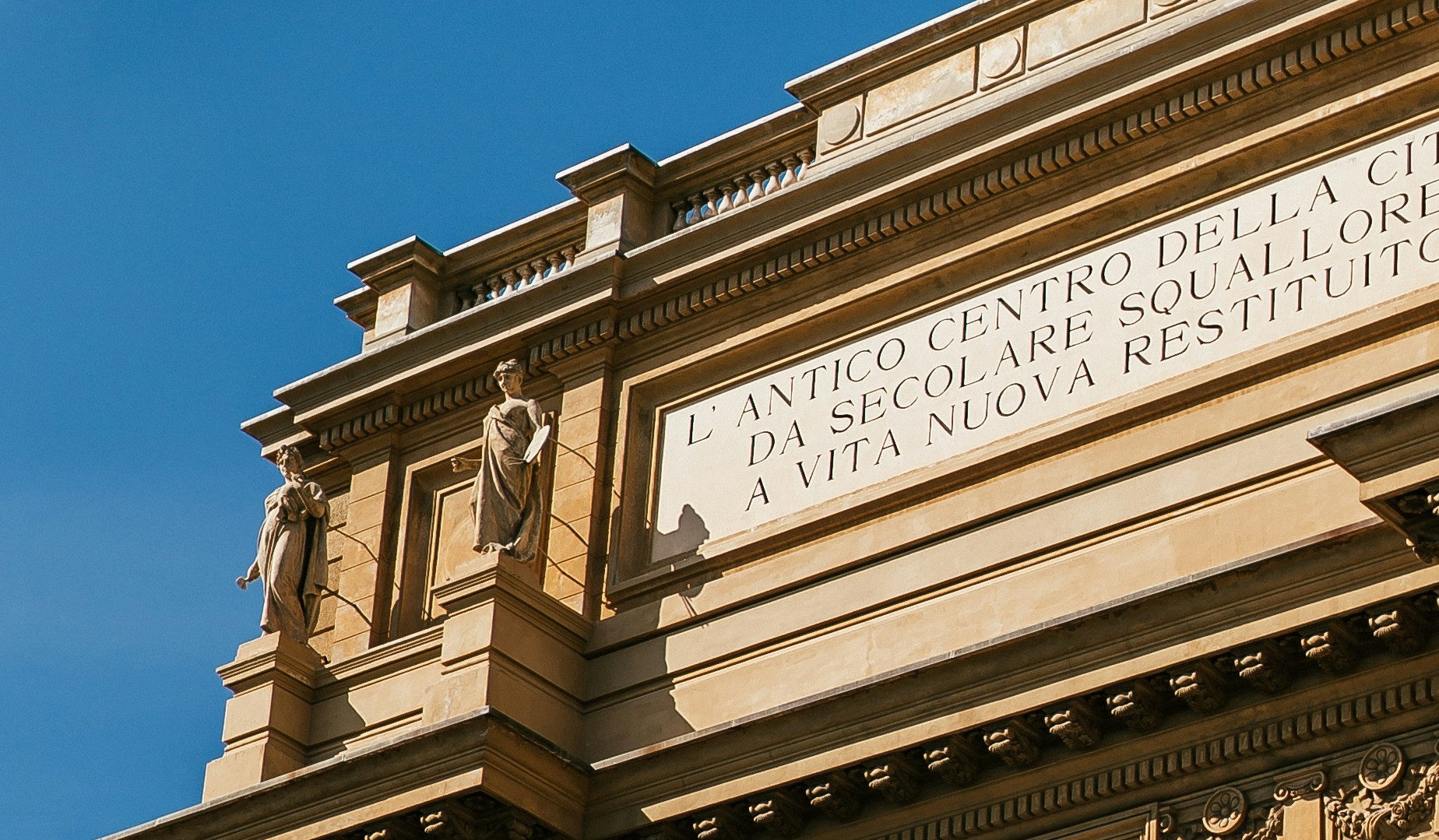
When the Romans conquered Fiesole, they turned their attention to the valley below. There, they founded Florentia, a carefully planned colony laid out according to the orderly principles of Roman urban design. Straight streets intersected in a grid, leading to temples, baths, marketplaces, and public gathering spaces. Positioned along important trade routes, the settlement flourished, becoming a prosperous commercial center within the empire. As you stand today in Piazza della Repubblica, surrounded by cafés and elegant buildings, you are standing at the very heart of ancient Florentia. This bustling square was once the Roman Forum—the city’s political, religious, and commercial center—a fact proudly commemorated by the inscription on the triumphal arch that spans the piazza.
The centuries that followed were far from easy. The fall of the Roman Empire brought waves of invasions, political turmoil, and devastating floods. Yet Florence endured. Slowly, generation after generation rebuilt the city, transforming it from a struggling settlement into one of medieval Europe’s most powerful republics.
By the Middle Ages, Florence had become a city of extraordinary wealth and ambition. Powerful guilds governed commerce and craftsmanship, while influential banking families accumulated fortunes that reached across Europe. Among them, none would leave a greater mark than the Medici, whose patronage helped shape the city’s political and cultural destiny. Wealth fueled creativity, and creativity transformed Florence into something the world had never seen before.
The Renaissance was born here.
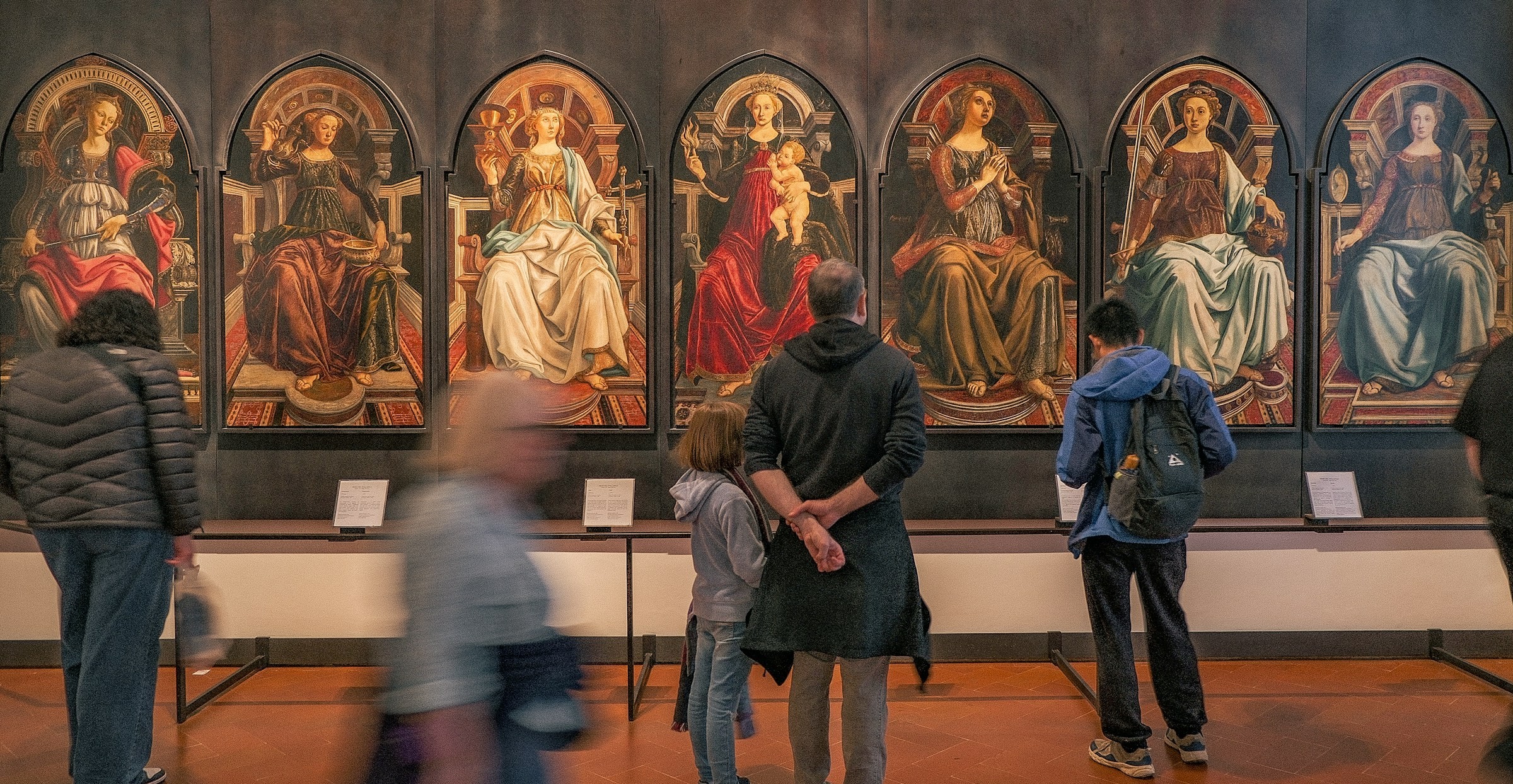
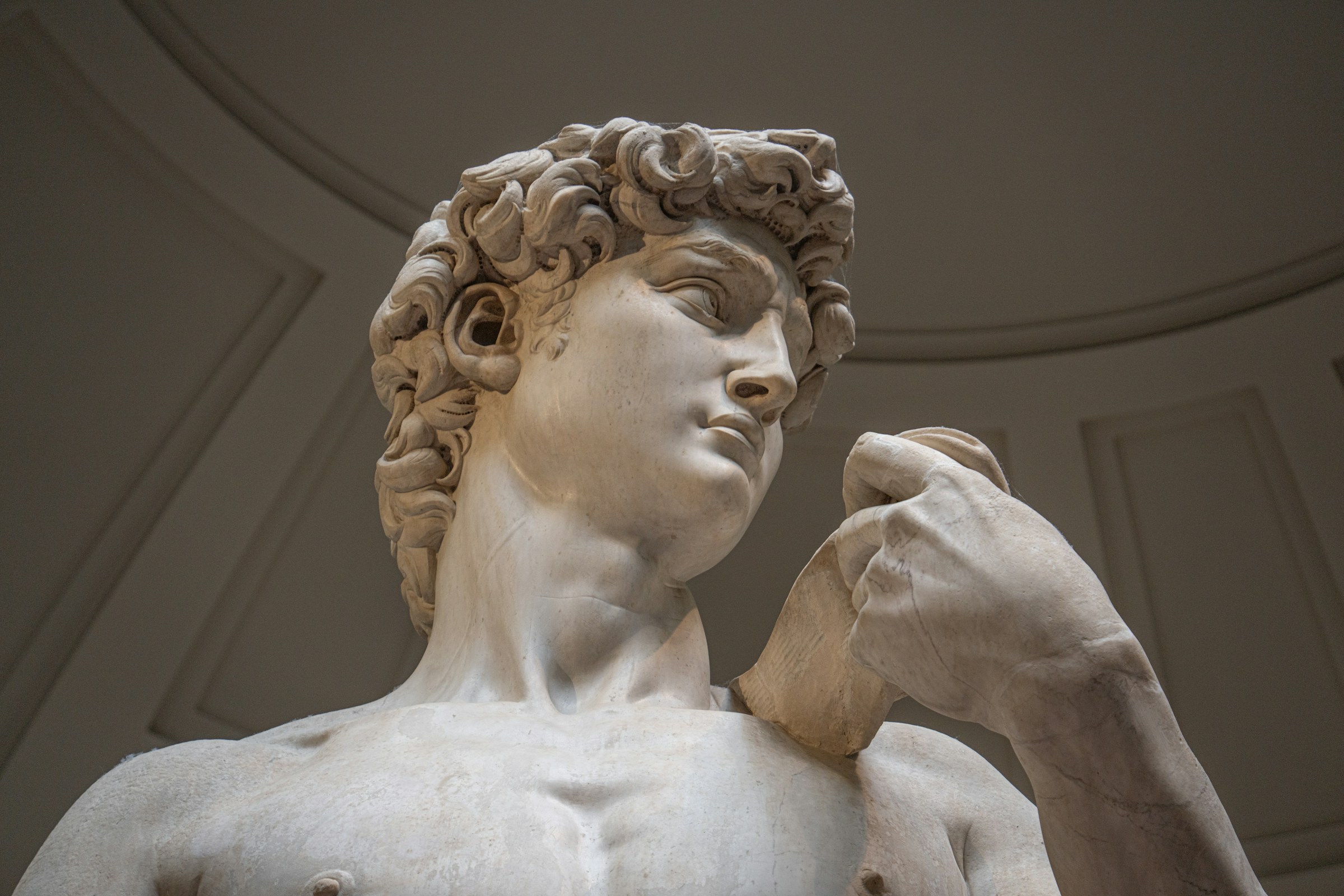
Walking through Florence today, it is impossible not to feel the presence of the visionaries who once called the city home. Poets such as Dante, architects like Brunelleschi, painters including Botticelli and Leonardo da Vinci, and the incomparable Michelangelo pushed the boundaries of human achievement. Their ideas reshaped art, science, philosophy, and architecture, leaving behind a legacy that continues to inspire the world centuries later.
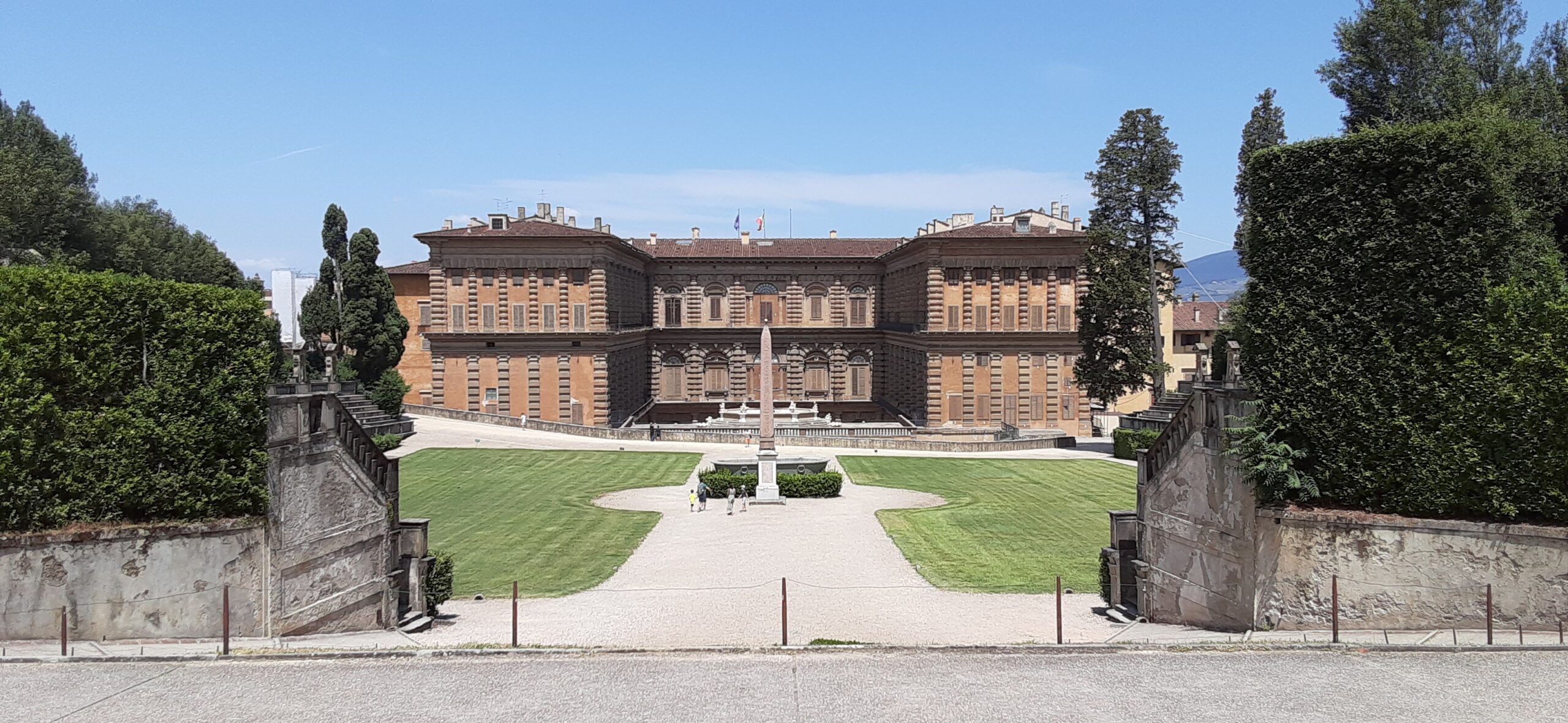
Today, Florence remains the beating heart of Tuscany and one of the most extraordinary cultural destinations on earth. Its Renaissance palaces, magnificent churches, world-class museums, vibrant markets, and celebrated cuisine attract millions of visitors each year. Yet beyond its famous landmarks lies something even more captivating: a city where every street, every stone, and every piazza tells a story. To wander through Florence is to walk through more than two thousand years of history, discovering layer upon layer of the people, ideas, and dreams that shaped not only a city, but the course of Western civilization itself.
Discover more about Florence with our exclusive Private City Walking Tour.
Book the Tour